Introduction
Paper thin monitors are reshaping our interactions with technology, blending advanced engineering with sleek design. These displays go beyond mere aesthetics, offering practical benefits that enhance personal and professional spaces. Dive into the captivating realm of paper thin monitors to see what sets them apart and how they are made possible.
Understanding Paper Thin Monitors
These innovative displays redefine what we expect from our screen technology, marrying slim design with powerful performance.
Definition and Characteristics
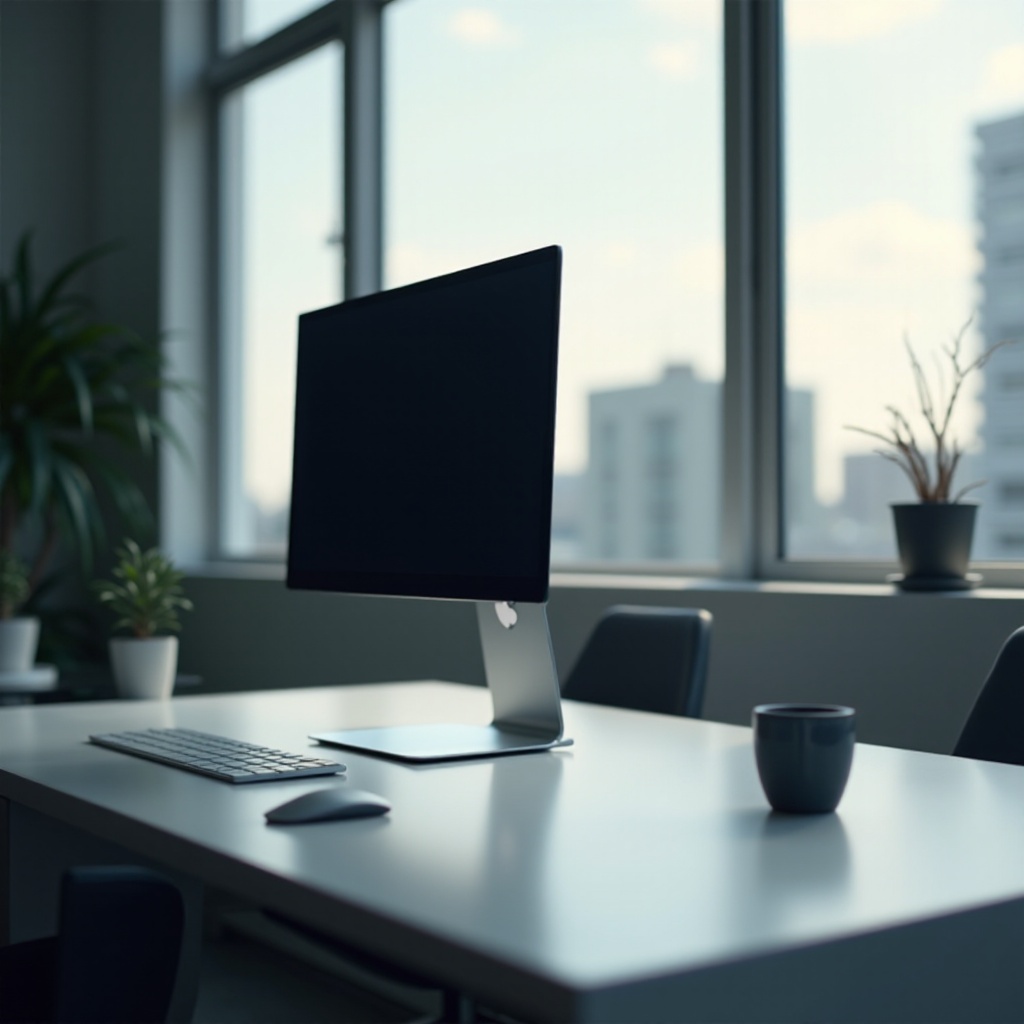
Paper thin monitors are characterized by their minimal thickness, often just a few millimeters. This is achieved through cutting-edge materials and design techniques that deliver performance without bulk.
How They Work
Utilizing technologies like OLED, these monitors forego traditional backlighting, allowing for vivid, high-resolution displays in a slender form. This blend of technology fosters vibrant visuals that excite users.
Technological Advancements Enabling Thin Displays
Advancements in display technology have paved the way for these ultra-slim monitors, continually expanding their potential.
Breakthroughs in Display Technology
Recent developments have introduced flexible substrates and enhanced manufacturing processes. These breakthroughs contribute to making screens lighter and thinner while maintaining robust visual quality.
Materials and Engineering Innovations
Using cutting-edge materials like organic light-emitting diodes (OLEDs), engineers can achieve exceptional thinness. Innovative techniques, including precision bonding and advanced lamination, create durable yet sleek designs.
Benefits of Paper Thin Monitors
The movement toward paper thin monitors is driven by their myriad benefits across various settings.
Space Efficiency and Design Flexibility
Thanks to their slim profiles, these monitors offer significant space savings, allowing for more dynamic and flexible room designs. They provide opportunities for creative arrangements in any environment.
Energy Efficiency and Environmental Impact
These displays often use less energy compared to traditional monitors, due to their efficient technology. This reduces energy costs and supports environmental sustainability, a priority for modern businesses.
Applications and Use Cases
From home offices to creative workspaces, paper thin monitors are versatile, offering solutions to a variety of challenges.
Home and Office Environments
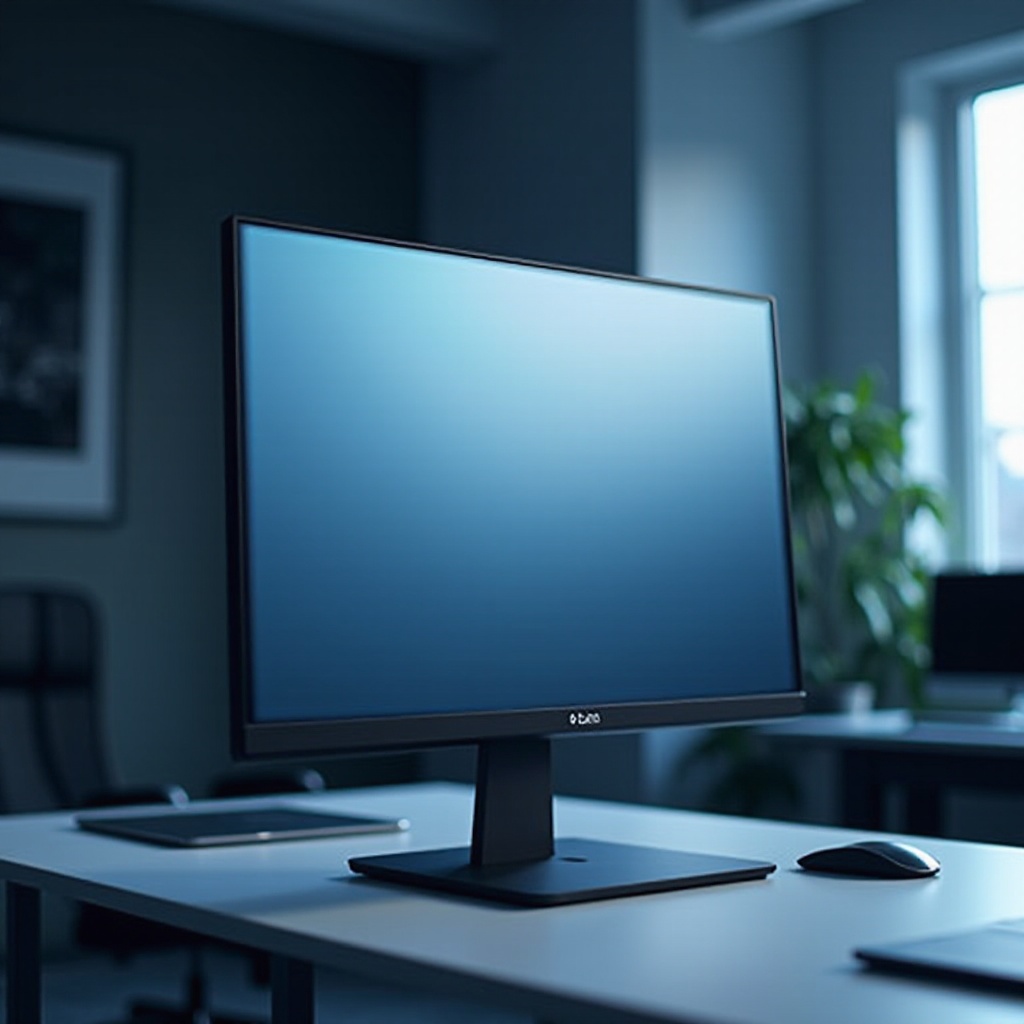
In both home and office settings, these monitors improve aesthetics while maximizing usable space. They adapt easily to wall mounts or desktop setups, fitting seamlessly into modern designs.
Creative and Professional Applications
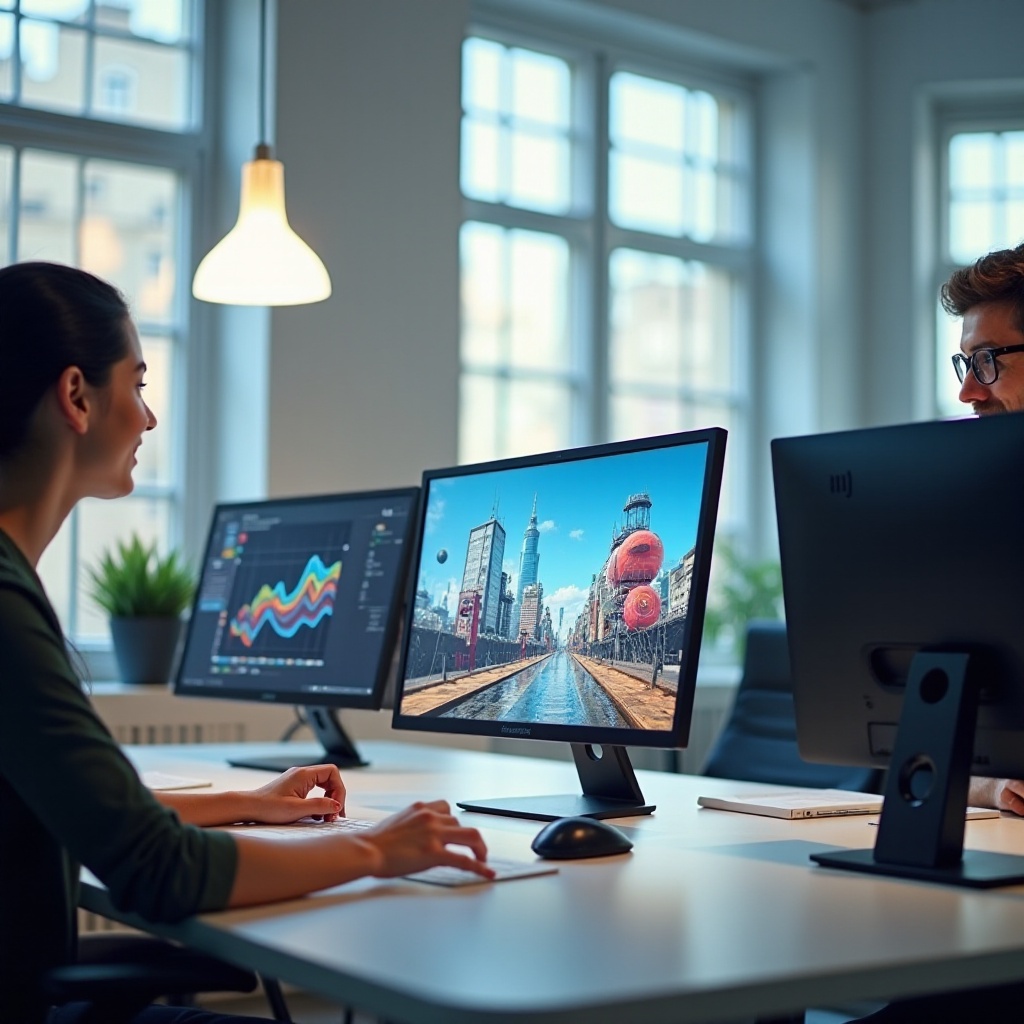
With high-resolution capabilities, these monitors serve well in creative and professional settings, from design studios to editing bays, delivering precision that enhances productivity.
Challenges and Considerations
While these monitors offer many advantages, certain challenges need consideration to ensure they meet your needs.
Durability and Protection
Their thin build can make them susceptible to damage, such as bending. It’s important to handle them with care and implement protective measures in busy areas.
Price Considerations and Value
Advanced technology may result in higher costs, but the long-term benefits and energy savings can justify the investment. Compare features and pricing to ensure you’re getting suitable value for your needs.
Choosing the Right Paper Thin Monitor
Selecting the right monitor means looking at features that match your specific requirements and budget.
Key Features to Look For
Essential features include resolution, refresh rate, and connectivity. Ensure the monitor has the appropriate ports for your devices to optimize functionality.
Brands and Models Overview
Research trusted brands offering paper thin monitors to find models that align with your requirements. Reputable manufacturers often provide better support and quality.
Conclusion
Paper thin monitors represent a leap forward in display technology, harmonizing style and function. As technology advances further, these monitors are becoming an essential component of modern setups, enhancing both visual and practical aspects of personal and professional spaces.
Frequently Asked Questions
What makes paper thin monitors different from traditional monitors?
Paper thin monitors offer ultra-slim profiles, energy efficiency, and versatile design options, perfect for space-constrained environments.
Are paper thin monitors durable over the long term?
While generally durable, these monitors require careful handling due to their thinness. Protective measures can extend their lifespan.
Can paper thin monitors support high-resolution content?
Yes, many paper thin monitors support high-resolution content through technologies like OLED, delivering vivid and clear visuals.