Introduction
Smartphones have evolved far beyond communication devices, stepping into the realm of portable multimedia hubs. An exciting development in this evolution is the integration of built-in projectors, transforming any location into a potential theater or presentation space. With the ability to project videos, images, and even business presentations, these innovative devices expand the conventional boundaries of smartphone functionality. In this article, we’ll dissect the technologies behind these projectors, evaluate their advantages, and explore what to consider when choosing the right device.
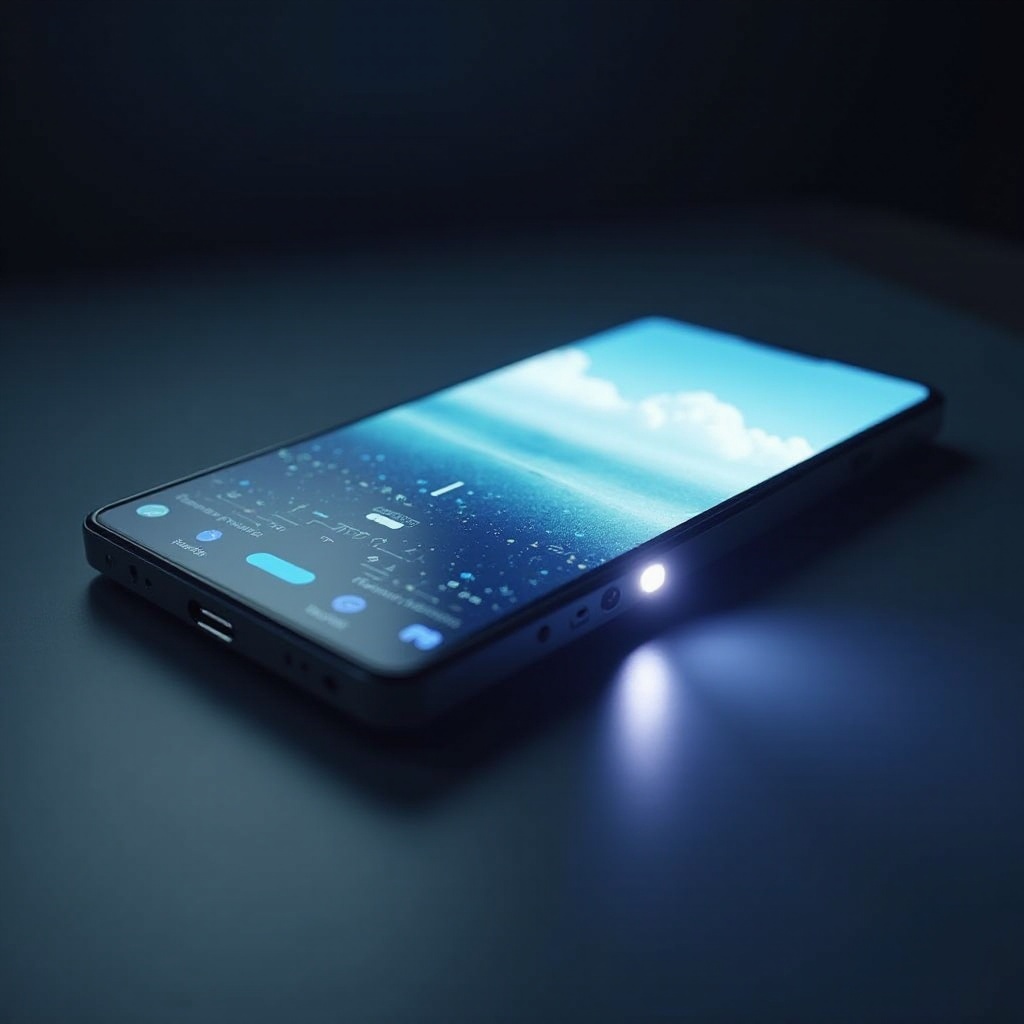
The Technology Behind Built-in Projectors
The heart of a mobile projector is its innovative technology. Predominantly, two types of projection technologies are implemented: Digital Light Processing (DLP) and Liquid Crystal on Silicon (LCOS).
-
Digital Light Processing (DLP):
DLP projectors utilize an array of tiny mirrors to reflect light, coupled with a spinning color wheel to render vibrant images. Known for durability and high contrast, DLP is a popular choice for its balance between performance and compactness. -
Liquid Crystal on Silicon (LCOS):
LCOS combines aspects of both LCD and DLP, offering superior image sharpness and depth of color. This technology is particularly favored when image quality is paramount, despite being slightly more complex.
Understanding these technologies enables users to appreciate how they’ve been miniaturized to fit into smartphones without compromising the core functionalities.
Key Features to Consider
After understanding the technology, the next step is identifying the essential features while selecting a mobile with a built-in projector. Several key elements will influence your decision:
- Resolution and Brightness: Look for a device offering high resolution and adequate brightness to ensure clear and vivid projections in different lighting.
- Battery Life and Energy Efficiency: Consider models with robust batteries or efficient power management to sustain prolonged projection.
- Connectivity and Compatibility Options: Ensure multiple connectivity options like HDMI and wireless capabilities to maintain versatile usability.
Evaluating these features allows for an informed choice, tailoring your selection to specific needs such as entertainment, business use, or educational purposes.
Leading Brands and Models in 2024
As built-in projector technology gains momentum, several manufacturers are leading the charge with innovative solutions.
-
Samsung continues to be a trailblazer, delivering models that marry cutting-edge projection technology with user-friendly design. Their focus on high performance and seamless integration makes their offerings particularly attractive to technology enthusiasts.
-
Apple is also making significant strides, aiming to redefine user experiences with their prospective models that incorporate projectors. Their emphasis on quality and user experience makes these devices highly anticipated.
-
Emerging brands are entering the fray, providing competitive alternatives that focus on value without sacrificing key features. Their presence broadens consumer choice, catering to a wider range of budgets and needs.
These brands highlight the diversity and rapid advancement in the field, each contributing unique strengths to the market.
Advantages and Drawbacks
The appeal of having a projector integrated into your smartphone comes with distinct advantages:
- Portability: The convenience of carrying a projector in your pocket cannot be overstated, facilitating spontaneous media sharing or presentations.
- Versatility: Whether for personal entertainment during a trip or a business meeting, these devices offer practical solutions at a moment’s notice.
However, it’s crucial to consider potential drawbacks:
- Battery Consumption: The projection function can deplete the battery rapidly, especially without optimized energy solutions.
- Limited Projection Range: While versatile, these built-in projectors might not match the performance of standalone devices when it comes to large venues.
Weighing these pros and cons helps in deciding if a mobile with a built-in projector fits your lifestyle and needs, ensuring that expectations align with the device’s capabilities.
Practical Applications and Use Cases
The practicality of these devices shines through in varied applications:
- Personal Entertainment: Transform any space into your cinema and enjoy streaming your favorite content onto any surface, enriching the viewing experience.
- Business Presentations: Deliver presentations without the need for additional equipment, allowing for professional engagement anywhere you go.
- Educational Uses: Ideal for teachers and students, these devices facilitate dynamic and interactive lessons.
These applications emphasize the mobile projector’s ability to offer convenient solutions, fitting seamlessly into daily life and professional environments.
Future Trends and Innovations
Looking forward, several trends indicate exciting futures for mobile projectors:
- Enhanced Image Quality: Ongoing improvements aim to elevate the visual experience with higher resolutions and better brightness, catering to growing consumer standards.
- Increased Interactivity: Future models may incorporate features like gesture control or augmented reality (AR) integrations, amplifying user engagement and interaction.
- Better Battery Life: Advancements in battery technology promise to extend usage time, accommodating the energy demands of projection without interruption.
Such advancements portend an even more integrated and efficient experience, highlighting the potential of smartphone projectors to redefine our interaction with digital content.
Conclusion
Integrating projectors into mobile phones represents a significant leap in tuning smartphones for diverse needs, bridging entertainment, productivity, and education effortlessly. As the technology advances, these devices will likely become more commonplace, symbolizing the merger of practicality with technology. By keeping abreast of the latest developments, users can make informed choices that align with their unique needs and enhance their mobile experiences.
Frequently Asked Questions
Do all phones with built-in projectors have the same quality?
Not all phones offer the same projection quality. Variations in technology, resolution, and brightness lead to differences in outcome. Assess these aspects to find what suits you.
How does having a built-in projector affect battery life?
Projectors are power-intensive, potentially reducing battery life. Choosing models with enhanced energy efficiency can mitigate this issue.
Are phones with built-in projectors more expensive than regular smartphones?
Typically, they can be more costly due to the added technology, though prices range widely. Budget-friendly models are available, offering varied options.