Introduction
Explore how a dual monitor setup can transform your workflow by providing the extra space needed for multitasking. A dual monitor docking station not only extends your MacBook Air’s connectivity but also integrates additional peripherals effortlessly. By understanding the critical features, you can choose a docking station that maximizes space and efficiency.

Understanding Dual Monitor Docking Stations
What is a Dual Monitor Docking Station?
A dual monitor docking station functions as an intermediary that connects your MacBook Air to multiple displays and peripherals. It transforms your laptop into a desktop powerhouse by providing several ports such as HDMI, USB-C, and ethernet, facilitating enhanced productivity.
Key Advantages for MacBook Air Users
- Increased Productivity: Seamlessly operate on dual screens to manage various applications without switching tabs, streamlining your processes.
- Enhanced Connectivity: Connect a myriad of devices effortlessly using the additional ports and power options.
- Mobility: Docking stations simplify transitions between mobile and stationary workspaces, making it efficient and hassle-free.
Recognizing these advantages, the selection of a suitable docking station is crucial for ensuring compatibility and optimized performance.
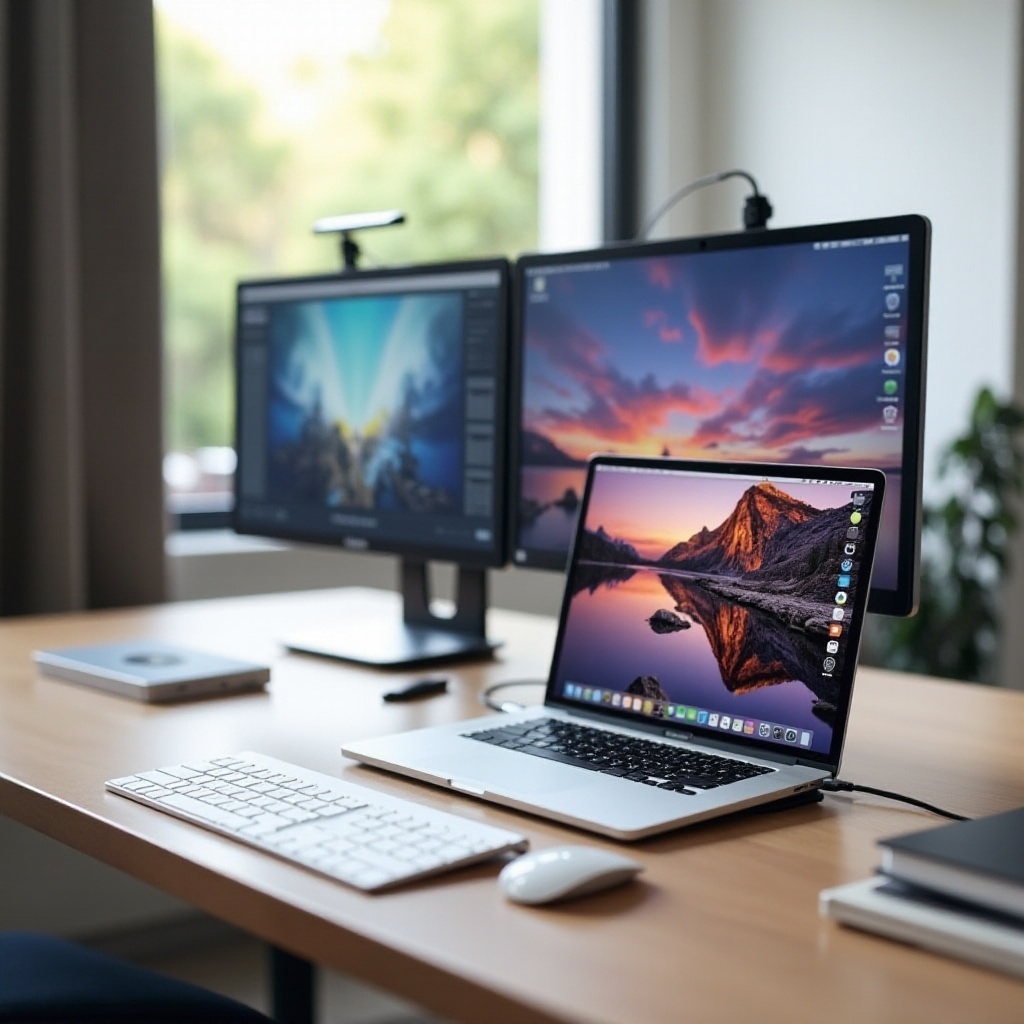
Key Features to Consider
Compatibility with MacBook Air
Prioritize models designed for the MacBook Air to prevent connectivity hiccups. Though many docks claim universal compatibility, ensuring the right model will save from future inconveniences.
Port Types and Quantities
- USB-C and Thunderbolt 3 Ports: Essential for effective data transfer and simultaneous charging of devices.
- Multiple HDMI/DisplayPort Outputs: Needed for dual monitor support.
- Additional USB Ports: Extra USB-A ports support keyboards, mice, and other peripherals.
Power Delivery Options
Select a docking station with sufficient power delivery to keep your MacBook Air charged while supporting peripherals, key to avoiding workflow interruptions.
Upon understanding essential features, you can explore our top docking station models for an ideal match for your setup.
Top Dual Monitor Docking Stations for MacBook Air in 2024
Model 1: Features and Benefits
Model 1 includes dual HDMI ports, USB-C power delivery, and multiple USB 3.0 ports, perfect for everyday professional tasks. Its sleek and durable design is highly favored among users.
Model 2: Features and Benefits
Model 2 offers Thunderbolt 3 for faster data transfer and support for high-resolution displays, catering well to creative professionals engaged in video editing.
Model 3: Features and Benefits
Model 3 excels in versatility, accommodating both HDMI and DisplayPort outputs, with the added benefit of an ethernet port, ideal for data-driven tasks requiring wired connectivity.
Equipped with this information, you can seamlessly set up your docking station. The following steps will guide you through the process.
Setting Up Your Dual Monitor Docking Station
Step-by-Step Setup Guide
- Connect the Docking Station: Plug it into your MacBook Air via USB-C or Thunderbolt 3.
- Connect Monitors: Use HDMI or DisplayPort cables for monitor connections.
- Power the Docking Station: Ensure it’s connected to a power source catering to your MacBook Air’s needs.
- Configure Display Settings:
- Access ‘System Preferences’ > ‘Displays’ on your MacBook Air to arrange and customize your displays.
- Connect Peripherals: Plug in keyboards, mice, or external storage to the docking station.
Common Troubleshooting Tips
- Monitor Not Detected: Verify connections, try different ports, or check ‘System Preferences’.
- Power Issues: Confirm the docking station is plugged into an active power source and using the specified adapter.
Properly installed, let’s focus on optimizing your dual-monitor environment for maximum efficiency.
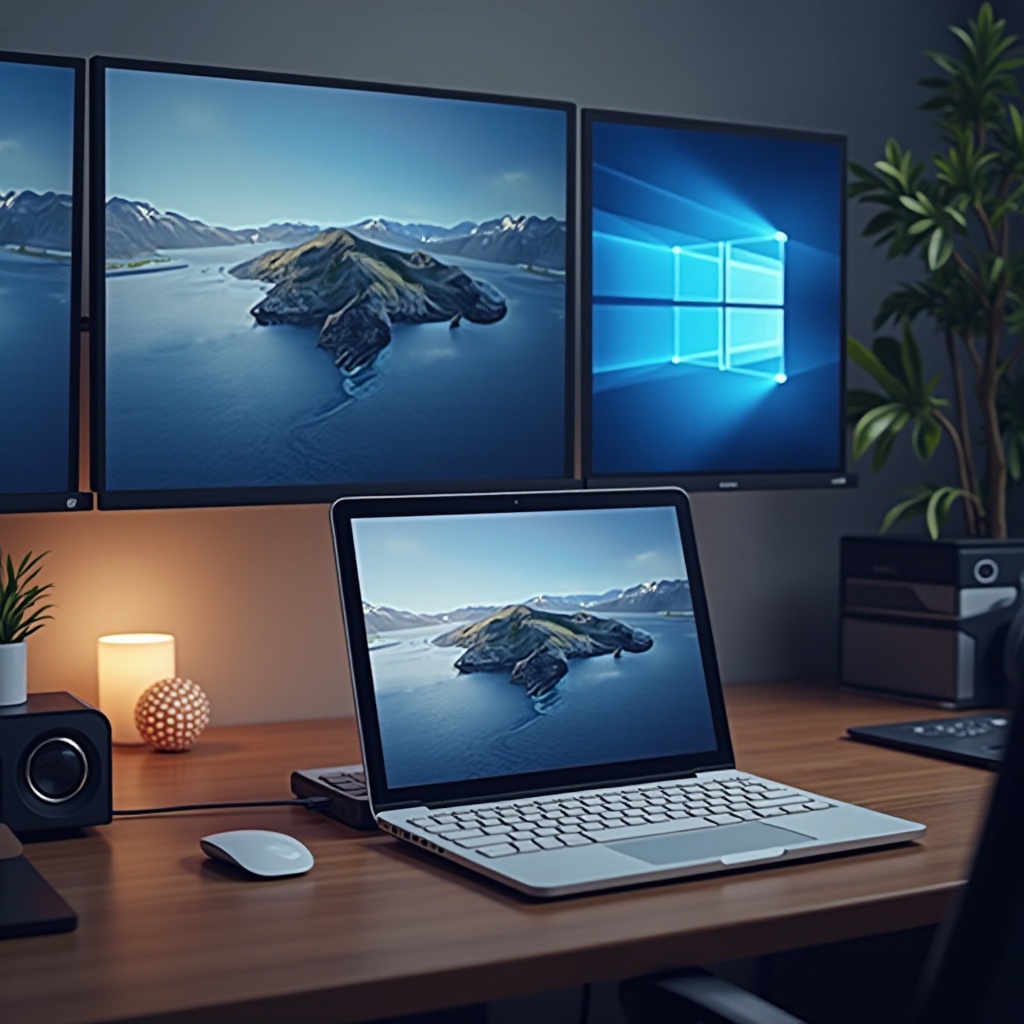
Optimizing Your Workflow with Dual Monitors
Productivity Enhancements
Dual monitors can revolutionize your task management, allowing application-specific monitors for relentless productivity. Whether for documents or research, dual displays cater to your distinct needs.
Workspace Organization Tips
- Keep a minimalistic desk for effective space utilization.
- Implement cable management to keep your environment tidy and efficient.
Enhanced workspace structuring can significantly facilitate your work and boost your performance.
Conclusion
Enhancing your MacBook Air with a dual monitor docking station is a pathway to elevated productivity and streamlined workflows. By making informed choices and employing proper setup techniques, you can transform your work experience, maximizing efficiency and capability.
Frequently Asked Questions
Can I use any docking station with my MacBook Air?
It’s recommended to select a docking station explicitly compatible with MacBook Air to avoid connectivity issues.
What should I do if one of my monitors isn’t detected?
Check all cable connections, try different ports on the dock, and verify settings in ‘System Preferences’ on your MacBook Air.
Are there any performance issues with dual monitors on a MacBook Air?
MacBook Air supports dual monitors well with a compatible docking station, ensuring no issues with power delivery or data transfer.